
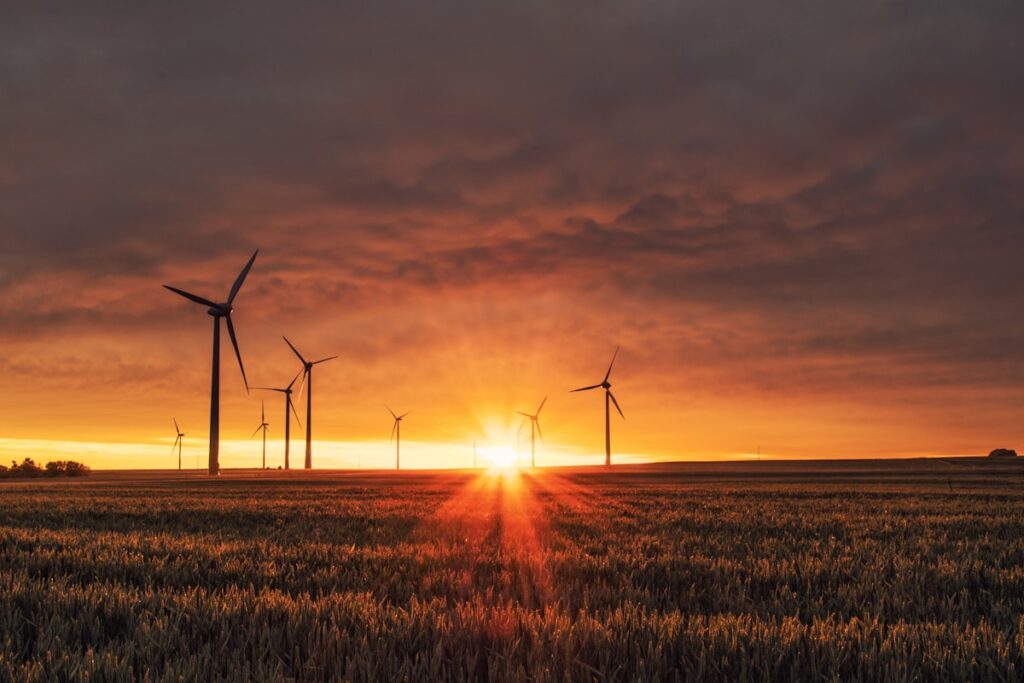
The Middle East is undergoing one of the most significant energy transformations in its history. Once synonymous solely with oil and gas, the region is now a global leader in renewable energy investment, grid modernization, and electrical infrastructure development. For businesses in the energy and electrical sector, this shift represents enormous opportunity.
Market Size & Growth
The Middle East renewable energy market is estimated at USD 52.7 billion in 2025, projected to reach USD 104.2 billion by 2032 at a CAGR of 10.5%. Total power market revenues are forecast to grow from USD 1.49 billion in 2025 to USD 1.58 billion in 2026, with long-term projections exceeding USD 100 billion by 2033.
Solar Energy: The Dominant Force
Solar power is leading the region’s energy transition. Installed solar capacity is expected to grow from 26.85 GW in 2025 to over 74 GW by 2031 — an 18.56% CAGR. By 2035, Solar PV alone will account for 18% of the region’s power mix. Key projects include the Rabigh Solar Plant (300 MW), Qurayyat Solar Park (200 MW), and the Al Henakiyah Solar Project (400 MW) in Saudi Arabia, all coming online between 2024 and 2026.
Saudi Arabia: $34 Billion Committed to Clean Energy
Saudi Arabia entered the world’s top 10 renewable energy investors in 2025 for the first time, committing approximately $34 billion to clean power — a 70% increase from 2024. The Kingdom’s multi-phase renewable program spans 30 GW of new capacity through 2030, covering utility-scale solar, wind, distributed systems, energy storage, floating solar, and offshore wind. Nearly 30 GWh of battery energy storage projects have been tendered, with 8 GWh already connected by end of 2025.
UAE: Smart Grids & Battery Storage Leading the Way
The UAE is investing $12 billion through Masdar’s global project portfolio, alongside Abu Dhabi’s nuclear and solar initiatives. Dubai targets 75% clean power by 2050. A landmark achievement was the launch of the world’s first gigascale 24/7 solar PV + battery storage project by Masdar and EWEC in Abu Dhabi — a milestone for grid-scale energy storage in the region. ADNOC Distribution also expanded its EV fast-charging network 1.4x year-on-year, reaching 400 points by early 2026.
Green Hydrogen: The Next Frontier
Green hydrogen is rapidly becoming a key energy export for the region. Saudi Arabia’s NEOM Green Hydrogen Project — valued at USD 8.4 billion — will produce 600 tonnes of green hydrogen daily by 2026. The UAE and Oman are also advancing large electrolyzer projects powered by renewables, positioning the Middle East as a future global hydrogen hub.
Grid Modernization & Electrical Infrastructure
Expanding renewables requires a parallel upgrade to electrical infrastructure. Investment in smart grids, high-voltage transformers, power cables, switchgear, and battery energy storage systems (BESS) is accelerating across the region. The Middle East is also emerging as a solar manufacturing hub, with regional production capacity expected to reach 44 GW by 2028 — benefiting from favorable tariff conditions for exports to global markets.
What This Means for Buyers & Procurement Teams
The pace of investment means demand for quality electrical and energy products has never been higher. Procurement teams across the UAE, Saudi Arabia, and broader MENA region are actively sourcing transformers, solar panels, power cables, energy meters, BESS systems, and test equipment from verified global manufacturers. Platforms like IndusGrove are purpose-built to help businesses connect with trusted suppliers, compare products, and request quotes efficiently — cutting procurement time and cost.
Conclusion
The Middle East energy market is no longer a future opportunity — it is happening now. With over $34 billion committed in Saudi Arabia alone, and the UAE racing toward clean energy targets, the demand for high-quality electrical products and solutions will continue to surge through 2026 and beyond. IndusGrove is here to help businesses across the region source the right products from the right manufacturers, faster and smarter.