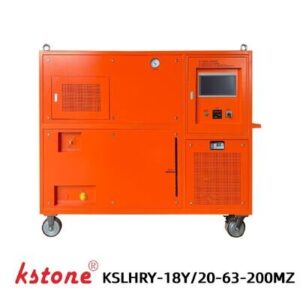
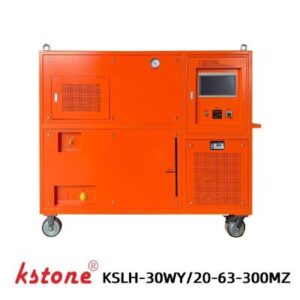
SF6 recovery systems, service carts, vacuum and filling devices, leak detectors, gas analysers, dry air equipment
Recovery method
High-pressure liquefaction
Storage capacity
300 L and 600 L vessels
Analysis
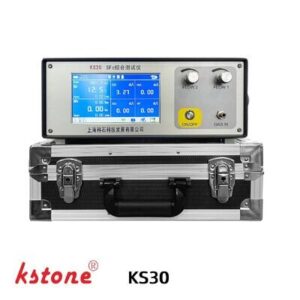
Moisture, purity and decomposition in one instrument; dew point −80 °C to +20 °C
Leak detection
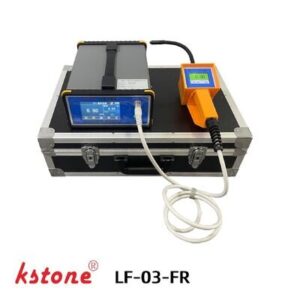
NDIR infrared, 0.1 ppm minimum sensitivity
Standards role
Participating drafting company, DL/T 1366-2023 and DL/T 1353-2024
Market
Worldwide
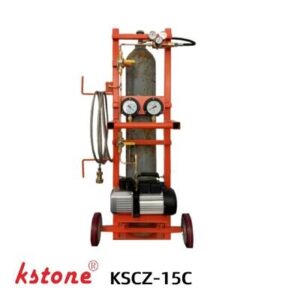
Kstone is the brand of Shanghai Yushi Technology Development Co., Ltd, founded in 2013 and dedicated entirely to SF6 gas handling and measurement — recovery systems, service carts, vacuum and filling devices, leak detectors, dew point meters, purity and decomposition analysers, dry air equipment and online monitoring.
The company is a participating drafting company for two Chinese power industry standards: DL/T 1366-2023, SF6 Gas for Electrical Equipment, and DL/T 1353-2024, Technical Specification for SF6 Handling Systems. For a buyer writing a specification, that is the difference between a supplier who meets a standard and one who helped write it.
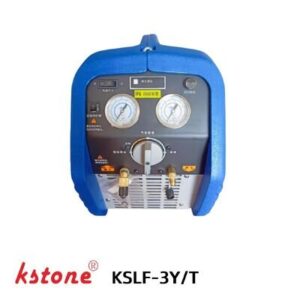
Two things make this range worth looking at. First, the recovery equipment uses high-pressure liquefaction rather than simple compression, so a 300 L or 600 L vessel holds the gas content of a substantial GIS line-up instead of a single compartment. Second, the portable end of the range is genuinely portable — the KSLF-3Y/T recovery unit weighs under 25 kg, which is what makes SF6 recovery practical at a rural 11 kV switching station rather than only in a workshop.
SF6 has a global warming potential several thousand times that of CO₂ and a long atmospheric lifetime. Recovery, leak detection and gas quality measurement have moved from good practice to reporting obligation across most utility jurisdictions, and the equipment on this page is what that obligation is discharged with.